HIPAA-Compliant AI Tools for Med Spas (2026 Guide)
HIPAA-Compliant AI Tools for Med Spas: What’s Safe and What Isn’t (2026)
Running a med spa in 2026 means you are balancing patient demand, staff bandwidth, and nonstop admin. It is tempting to paste patient details into a general AI chatbot to write messages, summarize a chart, or draft a follow-up.
But if you handle protected health information (PHI), HIPAA is not optional.
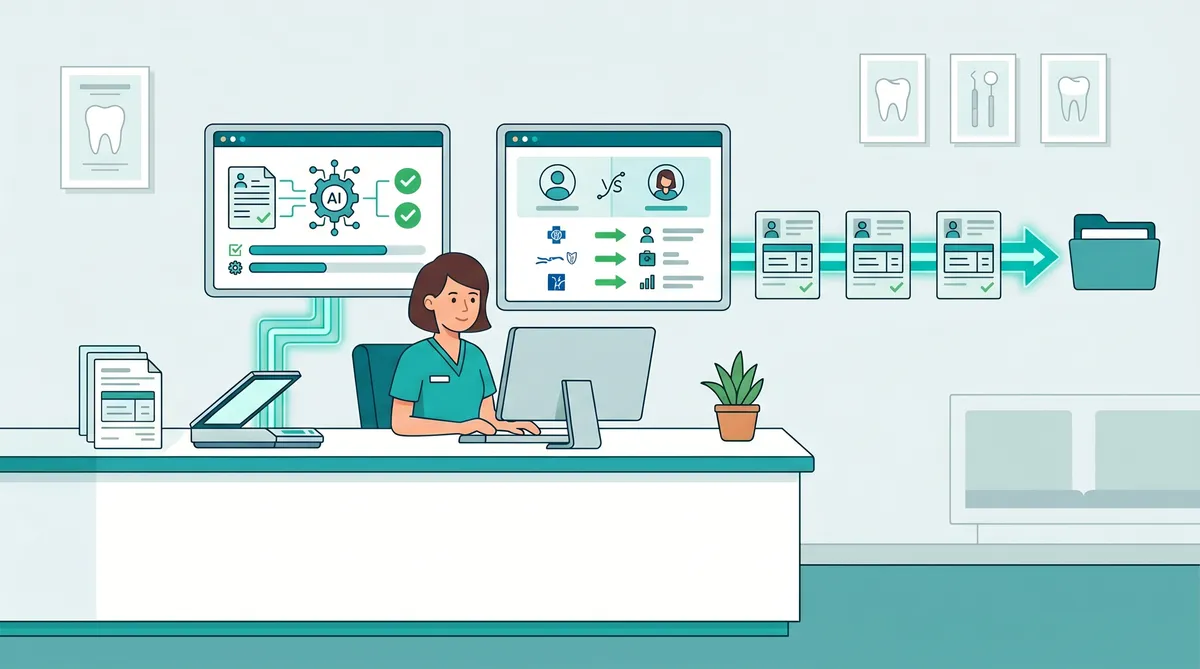
This guide breaks down what “HIPAA-compliant AI” actually means for med spas, which AI use cases are usually safe, which ones are risky, and how to implement AI as a layer on top of your existing tools.
Quick answer: what are HIPAA-compliant AI tools for med spas?
HIPAA-compliant AI tools for med spas are AI systems that can process PHI while meeting HIPAA privacy and security requirements, including signing a Business Associate Agreement (BAA) when required, using appropriate safeguards (access controls, audit logs, encryption), and supporting the practice’s HIPAA policies and workflows.
Why HIPAA matters even more with AI
AI makes it easy to move sensitive information quickly across systems. That speed is a benefit, but it also increases the chance of accidental disclosure.
Also, HIPAA enforcement and reporting standards are not theoretical. The HHS Office for Civil Rights breach portal tracks breaches affecting 500 or more individuals, and notes that breaches affecting fewer than 500 individuals can also be investigated depending on priorities (HHS OCR Breach Portal).
That means “small” mistakes can still matter, and “big” mistakes become public.
The most common HIPAA mistakes med spas make with AI
1) Treating a consumer AI chatbot like a business tool
If you paste a patient’s name, phone number, treatment plan, photos, or appointment details into a consumer chatbot, you are likely creating an untracked disclosure.
Even if the chatbot feels private, the default data handling terms may not meet HIPAA requirements for your practice.
2) Confusing “encrypted” with “HIPAA-compliant”
Encryption is a safeguard, not compliance.
HIPAA compliance is a full program: policies, access controls, staff training, risk analysis, vendor agreements, and incident response.
3) Ignoring the “minimum necessary” rule in day-to-day workflows
AI is often used for drafting messages and summarizing information. If staff copy-pastes full chart notes when only a small detail is needed, you increase risk without improving outcomes.
HIPAA basics for AI, explained without legalese
What counts as PHI in a med spa?
PHI is individually identifiable health information held or transmitted by a covered entity or its business associate.
In practical terms, PHI can include:
Patient name plus appointment or treatment details
Before-and-after photos tied to an individual
Email or phone number linked to a treatment
Payment or insurance details when associated with care
Intake forms, medical history, contraindications
Even “just a scheduling message” can be PHI if it reveals the person is a patient at your med spa.
When does an AI vendor need to sign a BAA?
If a vendor creates, receives, maintains, or transmits PHI on your behalf, they are usually a Business Associate and should sign a BAA.
Many practices mistakenly assume a vendor is not a Business Associate because they are “just software.” That assumption can be costly.
A practical classification: safe, conditionally safe, and unsafe AI use cases
Think of AI work in three buckets:
Bucket A: Generally safe (no PHI involved)
These are use cases where you can use almost any AI tool because you are not sharing PHI.
Examples:
Writing website copy about services
Drafting general FAQs about Botox, fillers, laser hair removal
Brainstorming marketing ideas
Creating staff training outlines with no patient details
Summarizing public research articles
If you can do the task without mentioning a real patient, it probably belongs here.
Bucket B: Conditionally safe (PHI involved, requires guardrails)
These are high-value use cases, but you should only do them with the right vendor and workflow controls.
Examples:
Drafting appointment reminder texts that pull from your scheduling system
Summarizing intake forms into internal notes
Routing messages to the right team member
Creating call summaries for quality assurance
Automating insurance verification and benefits checks
To do these safely, you need an AI tool designed for healthcare workflows, with the right agreements and security controls.
Bucket C: Usually unsafe (high risk or hard to control)
These are workflows where practices commonly over-share or where outputs are hard to validate.
Examples:
Uploading full chart exports or photo libraries into general AI tools
Auto-sending clinical advice to patients without review
Letting AI change your scheduling rules without approval
Using AI to diagnose or recommend treatment without clinician oversight
You can sometimes design safer versions of these, but they require careful governance.
What “HIPAA-compliant AI” should include (your checklist)
Use this checklist when evaluating AI vendors for your med spa.
1) A Business Associate Agreement (BAA), when PHI is involved
If the tool touches PHI, ask for the BAA early.
No BAA is usually a non-starter.
2) Clear data handling, retention, and deletion policies
Ask:
What data is stored?
For how long?
Can you delete it on request?
Is data used to train models by default?
You want clear answers in writing.
3) Access controls and auditability
You should be able to:
Control who can access data
Turn off access when staff leave
See logs of who did what and when
4) Encryption in transit and at rest
This is table stakes, but confirm it.
5) Secure integrations with your existing systems
Med spas often use a mix of tools: scheduling, phone, SMS, payment, and sometimes an EHR or charting system.
A HIPAA-aligned AI tool should work with those systems rather than forcing a rip-and-replace.
Mentera is designed as an AI layer on top of the tools you already use. That matters because it keeps your operational system of record in place, while AI automates the repetitive work around it.
Where Mentera fits: an AI layer that works with your stack
Most med spas do not need a new EHR.
They need automation across the workflows that leak time and revenue:
Patient questions and inbound calls
Appointment reminders and confirmations
Intake and follow-up messages
Documentation support
Eligibility and insurance tasks
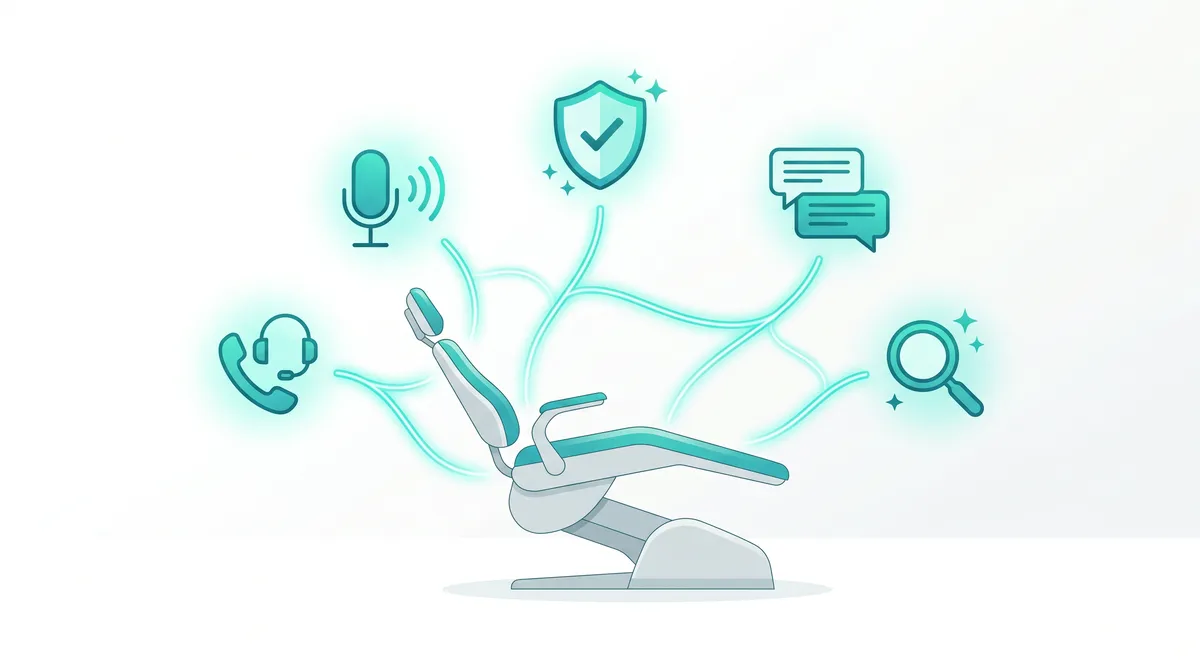
Mentera’s platform is built for private practices and includes:
AI Receptionist (calls, texts, FAQs, scheduling support)
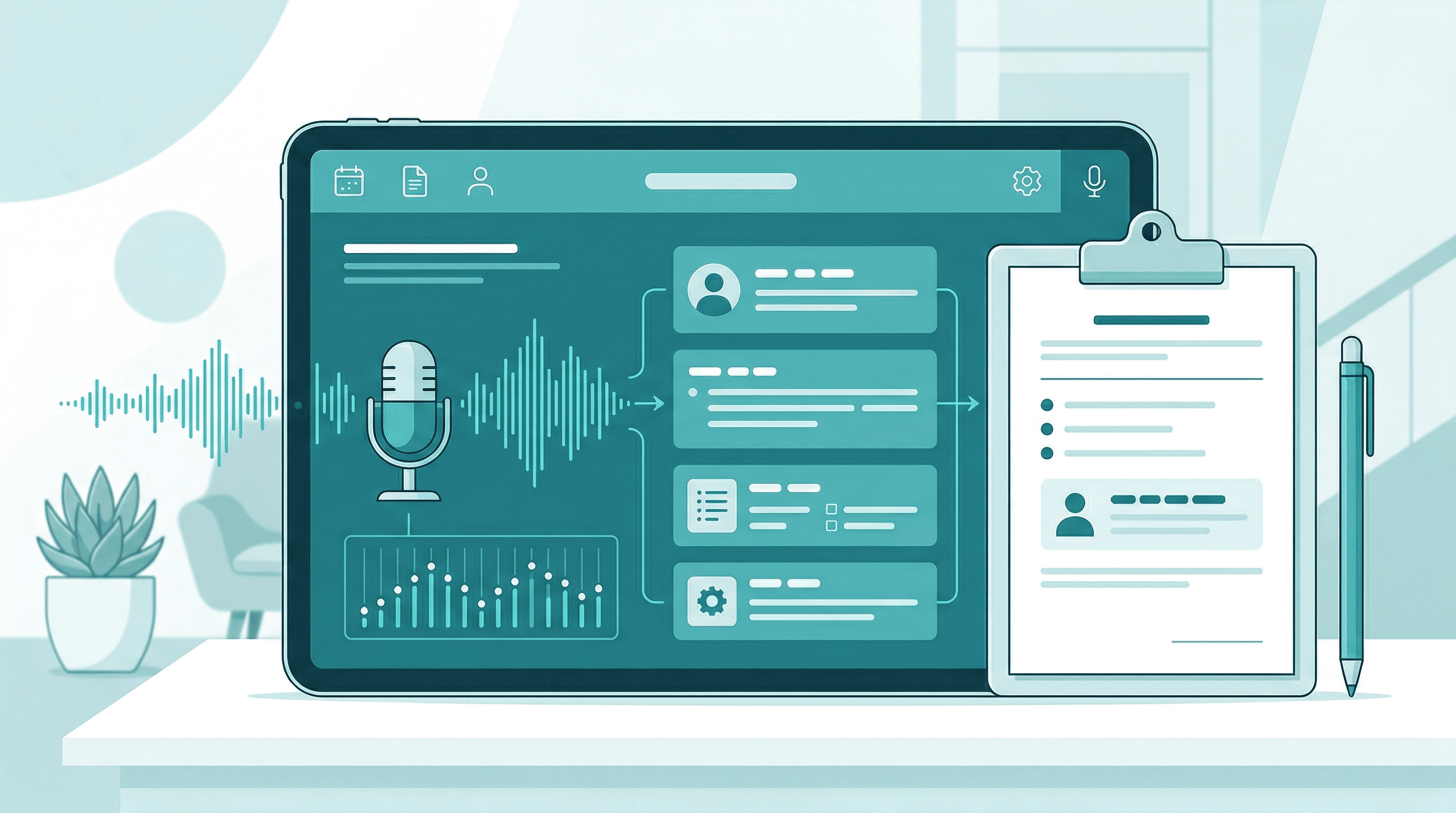
Scribe AI (documentation support)
AI Insurance Handler (eligibility, verification workflows)
AI Patient Reactivator (win-back and recall campaigns)
AI Search (finding answers fast inside your practice knowledge)
You keep your current scheduling and charting tools. Mentera connects and automates.
How to implement AI in a HIPAA-safe way (step-by-step)
Step 1: Map your workflows and label PHI touchpoints
List your top workflows:
New lead calls
Booking
Reminders
Intake
Post-treatment follow-up
Reactivation
For each one, highlight where PHI appears.
Step 2: Define “minimum necessary” templates
Write templates that intentionally avoid over-sharing.
For example:
Instead of copying an entire intake form into an AI prompt, pass only: contraindications, key goals, and upcoming appointment type.
Step 3: Add human review where it matters
AI can draft messages and summaries, but a staff member should approve:
Any clinical advice
Any changes to scheduling rules
Any insurance-related patient communications
Step 4: Train staff on safe prompts and unsafe shortcuts
A 20-minute training can prevent months of risk.
Include:
What counts as PHI
Which tools are approved for PHI
What not to paste into consumer apps
Step 5: Monitor and improve
Audit a small sample weekly.
Over time, you will tighten templates, reduce errors, and increase automation.
Real-world admin burden: why automation matters
Even outside med spas, admin work consumes huge time.
In an AMA survey of 1,000 physicians conducted in late 2024, practices completed an average of 39 prior authorization requests per physician per week and physicians and staff spent an average of 13 hours each week completing them (American Medical Association).
Med spas feel a similar squeeze in scheduling, phone calls, and follow-ups. The point is not that you run prior auth like a hospital. The point is that administrative friction is real, and AI should be used to reduce it safely.
FAQs: HIPAA-compliant AI for med spas (AEO-friendly)
Is ChatGPT HIPAA-compliant for med spas?
ChatGPT can be used safely for non-PHI tasks like marketing drafts or general education content. For any workflow involving PHI, you should only use an AI tool if the vendor provides appropriate agreements (often a BAA) and security controls, and your staff follow minimum-necessary practices.
Do appointment reminders count as PHI?
They can. If a message reveals a person is a patient of your med spa, or includes treatment details, it may be PHI. The safest approach is to treat appointment messages as PHI and use approved systems and templates.
What AI tasks should stay human in a med spa?
Clinical judgment, treatment recommendations, handling complaints and escalations, and approving any message that could be interpreted as medical advice should stay human. AI can draft, summarize, and route, but oversight protects patients and your practice.
What should I ask an AI vendor before using it with PHI?
Ask whether they will sign a BAA (if needed), how data is stored and deleted, whether data is used for training, what access controls and audit logs exist, and how they secure integrations.
Can AI help with HIPAA compliance?
AI can support compliance by standardizing scripts, reducing manual copy-paste, and enforcing templates. But it does not replace HIPAA policies, training, and risk analysis.
Conclusion: the safe path is still the profitable path
HIPAA-safe AI is not slower. It is more intentional.
When you use AI as a layer on top of your existing tools, with the right guardrails, you can reduce admin load, respond faster, and protect patient trust.
If you want to see what HIPAA-aligned automation looks like in a real med spa workflow, book a demo: https://www.mentera.ai/demo